AYAKA IDA

Product Lead and Software Engineer

From idea
to working product.

I turn ambiguous problems into simple products.

01 — Thinking

01 Thinking

Zoom out

Market · Users · Business · System

  • Why should this exist?
  • Who is this for?
  • What problem are we solving?
  • What should we build?

Zoom in

UX · Interaction · Detail

  • Why does this feel wrong?
  • Why does this take three steps?
  • Does this button need to exist?
  • What happens after this click?

I zoom out to understand the system.
I zoom in to find what feels wrong.

I move between both.

Complexity underneath.
Simplicity on the surface.

02 Selected work

Four projects. Each one proves something different.

01 Product Leadership / AI-native Engineering

A hosted-view product for a business-data platform

Defined and built a new product from a very short initial request: research, product definition, UX, technical design, and the first working version. It publishes data held in a business-data platform as hosted pages, so people without an account on that platform can see it. v0.1 was built solo. Once the requirements were clear, other engineers took on tasks.

Decision No CSS. No JavaScript. No expertise required.

Read the case study
03 Product / Design / Engineering

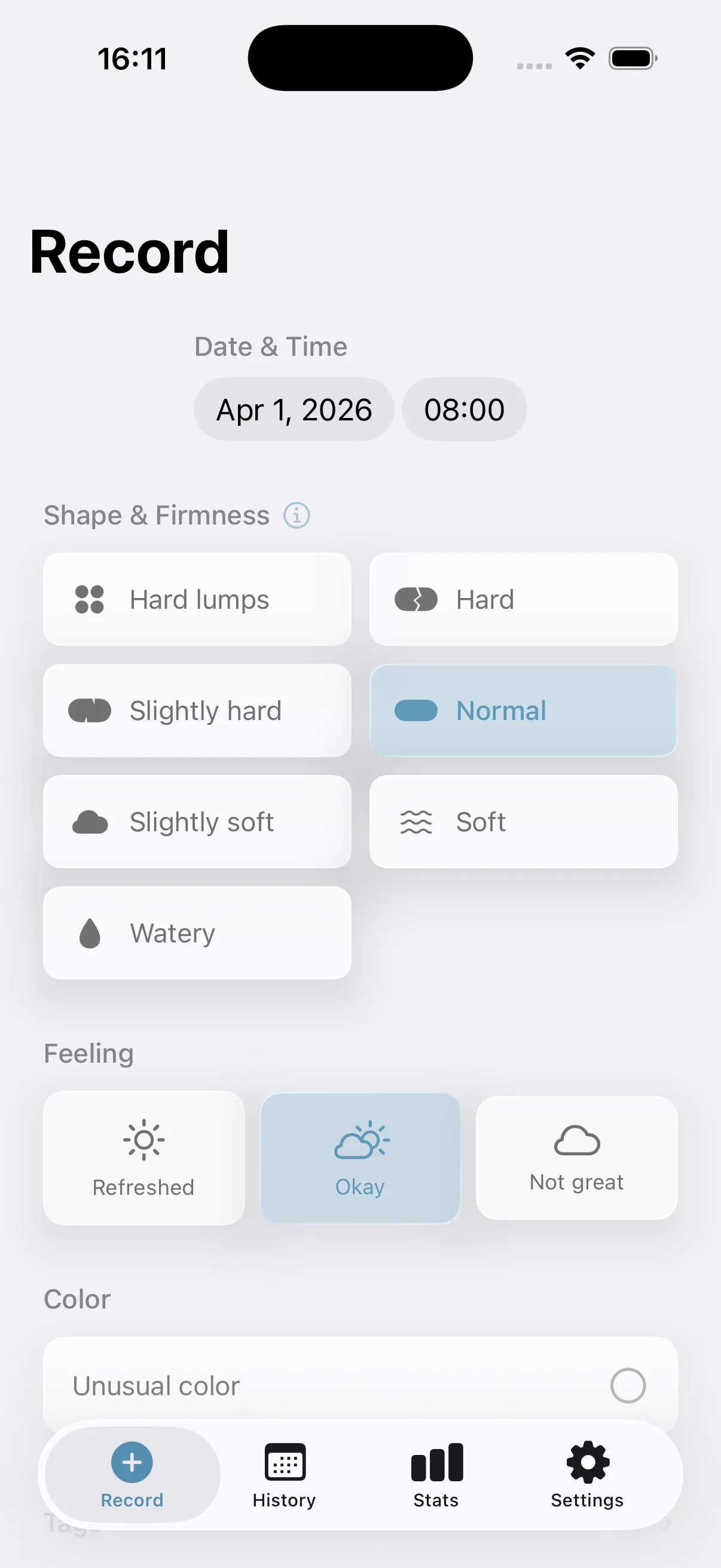
Gut tracking app

An independent app for recording one very simple behaviour. The category is full of brown palettes, jokes, and mascots. The constraint here was the opposite: what if Apple had built this as part of iOS Health?

Decision Design it as if it were part of iOS Health.

Read the case study

03 More things I've built

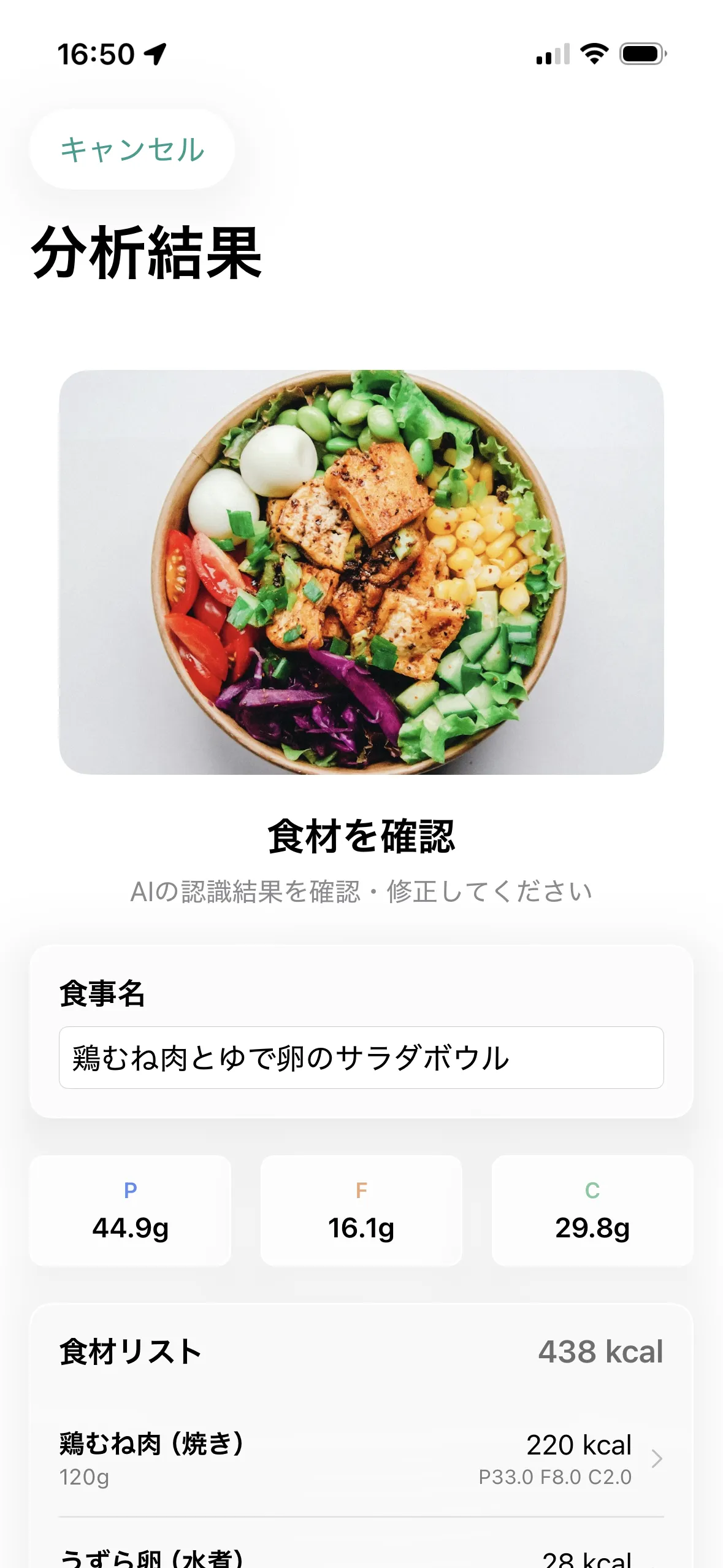
The analysis screen. A photo of a salad bowl sits above the AI's reading of it: a meal name, protein, fat, and carbohydrate totals, and a per-ingredient calorie breakdown, all editable before the meal is logged.
Japanese-language UI.

AI diet coach

Problem Calorie trackers ask for too much input, so people stop using them.

AI is used to cut logging friction and help people keep going, not only to be accurate.

Food photo AI understanding Minimal input Contextual coaching

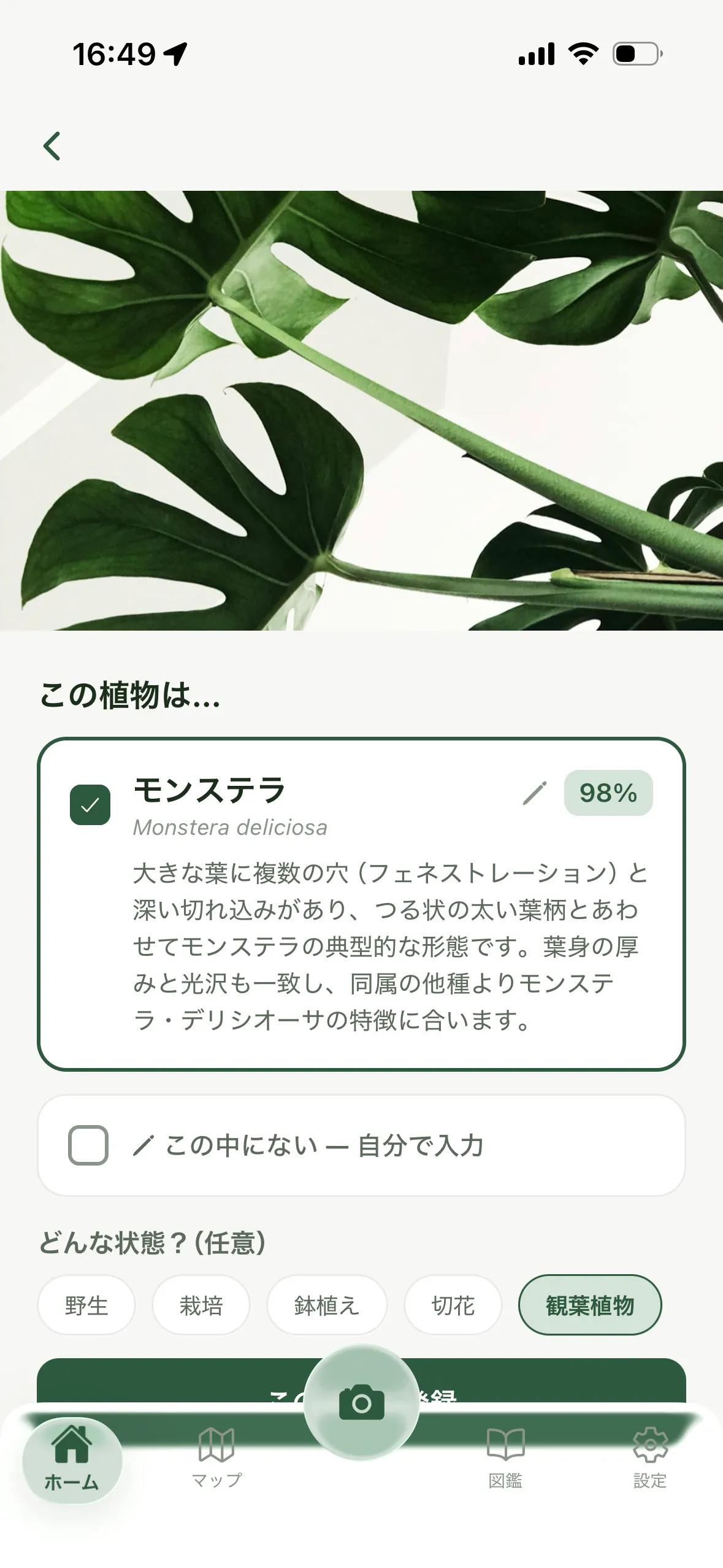
The identification screen. A photo of a monstera sits above the AI's result: the plant's name, its botanical name, a confidence score, and a short explanation of the features it matched on, with an option to correct it by hand.
Japanese-language UI.

Nature Log

Motivation When you walk, notice what is around you, not only your phone.

Photograph a plant, let AI identify it, keep the observation, see it on a map.

Photo AI plant identification Observation Map

AI feature for an existing B2B product

Context A large AI capability added to a product people already relied on.

Led early on after joining the company. Feature leadership, UI and UX, coordination, and delivery rather than the backend implementation itself.

04 Me

I don't care much
where product ends
and engineering begins.

I care whether the product works, and whether using it feels obvious.

  1. 01 Understand The business, the users, the problem.
  2. 02 Shape Turn ambiguity into a product.
  3. 03 Build Design, engineering, testing.
  4. 04 Use Use it myself, every day. Look for what feels wrong.
  5. 05 Improve Break it if needed. Rebuild it simpler.

I like problems without obvious answers.

I move between the big picture and the small detail. Understand the problem, give it structure, build it, use it, and fix what feels wrong.

Finished doesn't mean right. I'm not afraid to break something that works and rebuild it simpler.

More about me

05 Contact

Have something
to build?

Let's talk.